Digital Communication, Culture and Entrepreneurship: Exploring Innovation, Heritage and New Opportunities
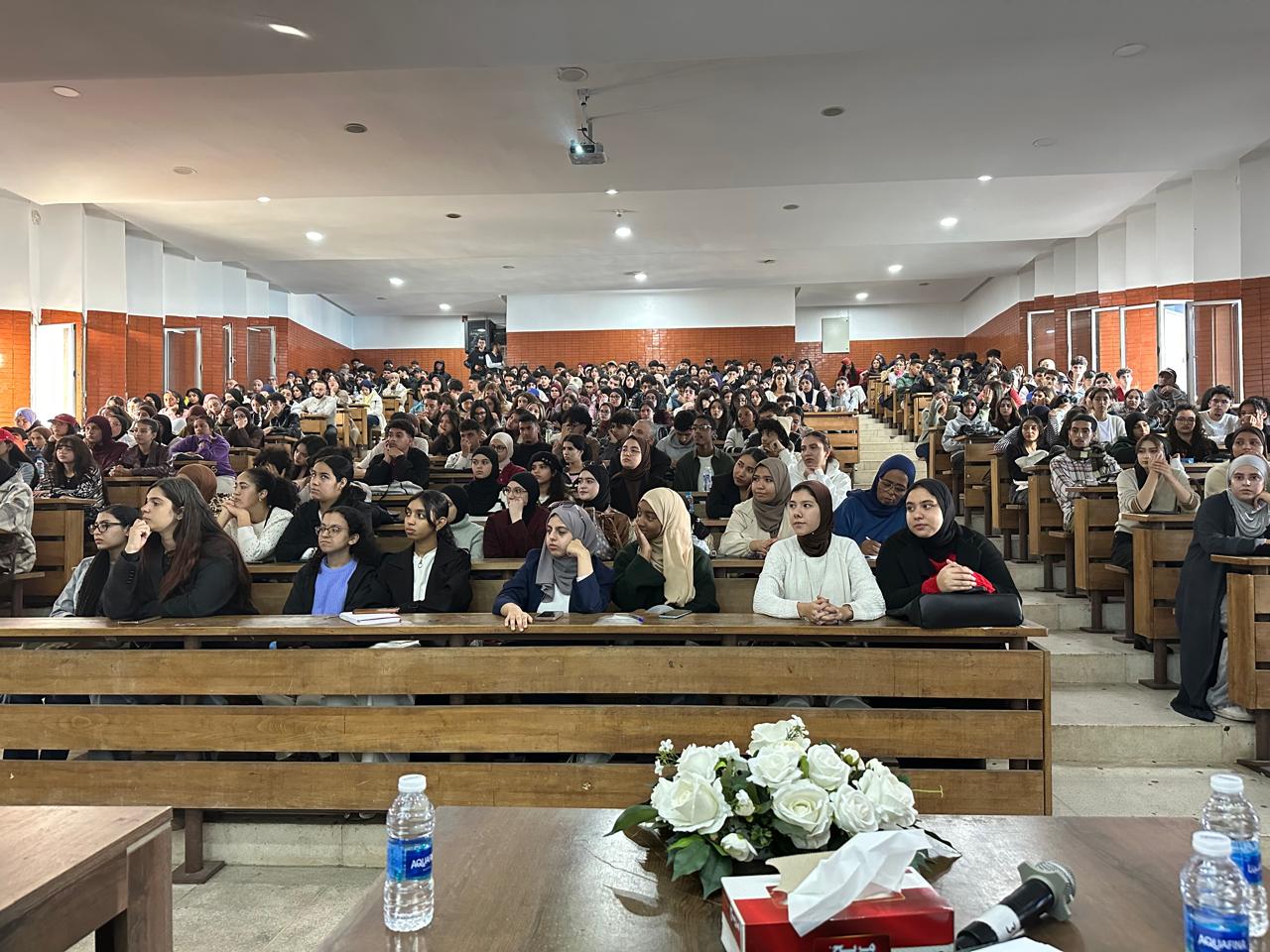
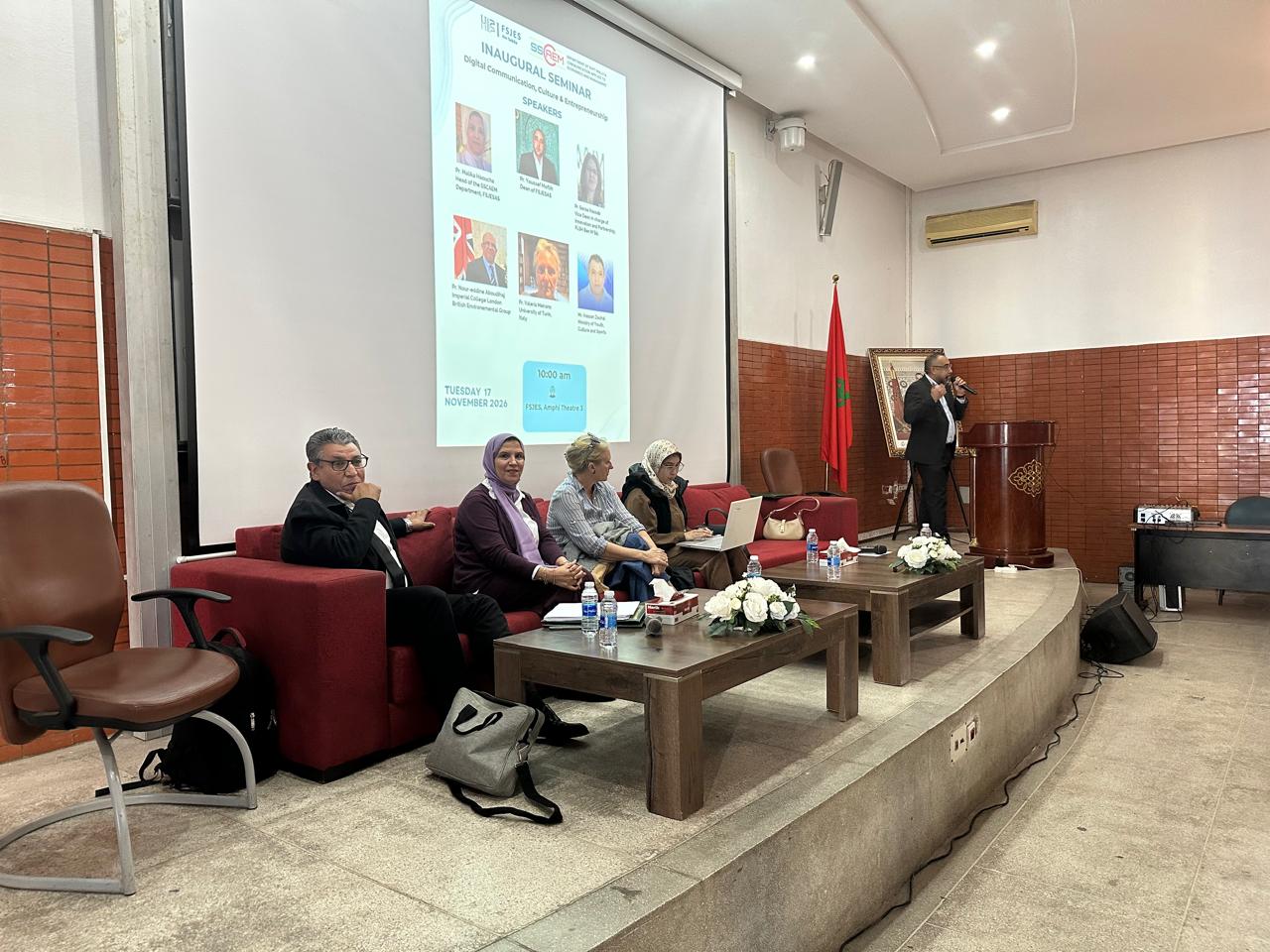
How can digital technologies reshape cultural heritage, communication, and entrepreneurship? What new opportunities do artificial intelligence and digitalization offer to students, learners, and cultural actors? These questions were at the heart of an inaugural seminar hosted by the Faculty of Legal, Economic and Social Sciences Ain Sebâa (FSJESAS), Hassan II University of Casablanca on Tuesday 17 November 2026, bringing together academics and experts from Morocco and abroad.
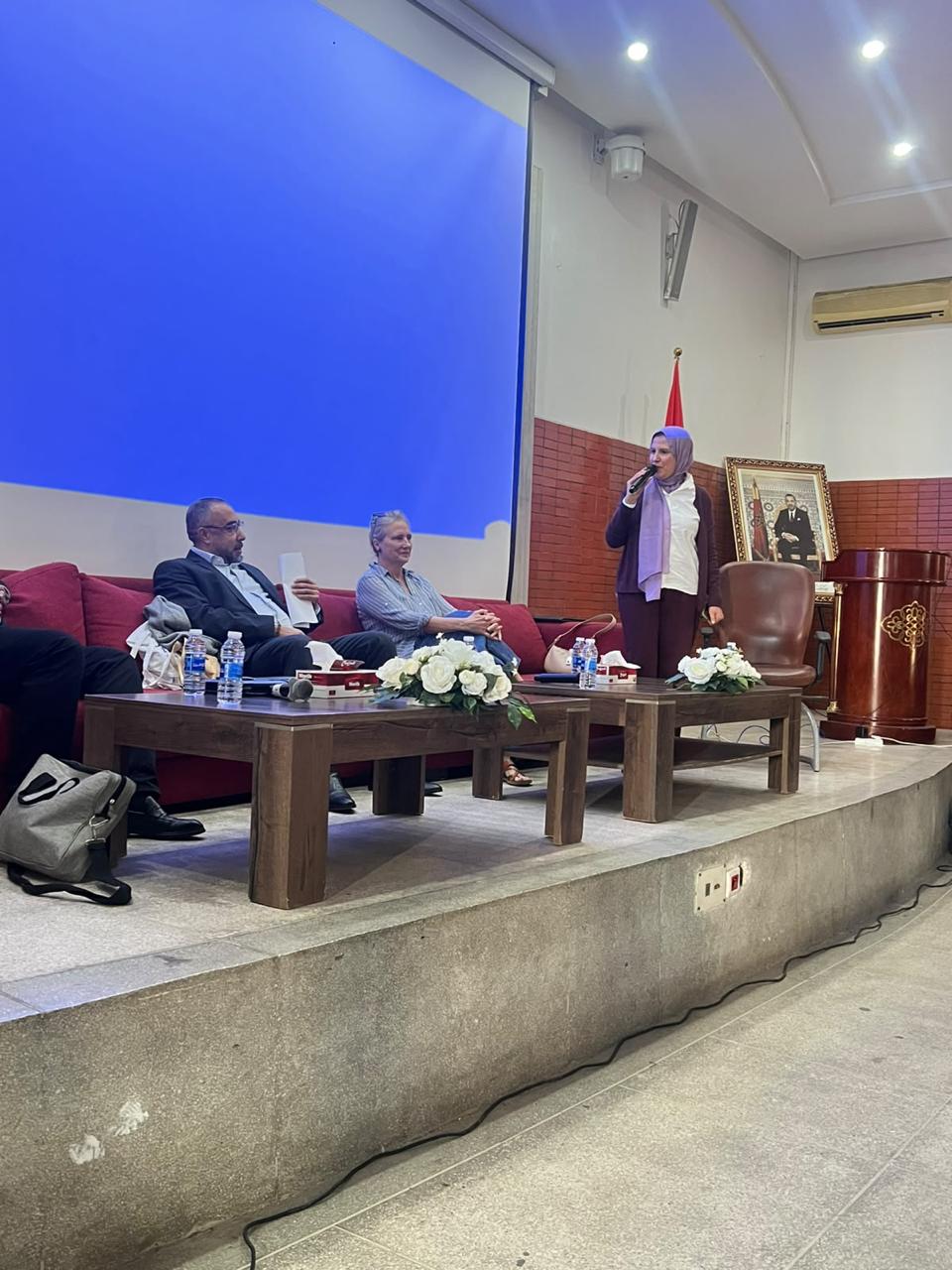
The event opened with welcoming the guest speakers, followed by speeches from the Dean of the Faculty and the Head of the SSCAEM Department. In his address, the Dean, Pr Youssef Moflih, highlighted the importance of preparing students to embrace the new educational models emerging in the era of artificial intelligence and digitalization. He emphasized the need to rethink learning experiences, promote multidisciplinary programmes, and equip students with the skills and competencies necessary to thrive in a rapidly evolving academic and professional environment. He also underscored the importance of the 3 Ts (Richard Florida, 2002) —Technology, Talent and Tolerance—as key pillars for fostering innovation, creativity, adaptability, openness, and global citizenship, while empowering students to meet the challenges of an increasingly interconnected world.
Building on this vision, the Head of the SSCAEM Department, Pr Malika Haoucha, who is also the coordinator of the Digital Communication, Culture and Entrepreneurship (DCCE) major, highlighted the programme’s multidisciplinary nature, which brings together complementary fields of knowledge and skills at the crossroads of digital communication, culture, and entrepreneurship. She emphasized the relevance of this academic orientation in responding to the evolving demands of the digital economy and the changing needs of the labour market. Pr Haoucha also pointed to the growing interest in the programme, reflected in the steady increase in student enrolments since its launch in 2023, illustrating its attractiveness and the relevance of its academic positioning in today’s rapidly changing educational and professional landscape.
The scientific programme offered a rich and diverse perspective on the intersection of digital technology, cultural heritage, innovation, and entrepreneurship.
Pr. Sanaa Hassab, Vice Dean in charge of Innovation and Partnership at FLSH Ben M’Sik, whose presentation was delivered by Mrs Noura Lemcharrea, addressed “Start-ups and Digital Innovation in Culture and Heritage in Morocco: From 360° Virtual Tours to Interactive Cartels,” highlighting the role of digital tools and innovative solutions in transforming cultural experiences, promoting heritage, and opening new avenues for entrepreneurship.
Mr. Hassan Zouhal, representing the Ministry of Youth, Culture and Sports, explored “The Impact of Bilateral Cultural Projects on Heritage Conservation: The Case of the Mosaics of Volubilis,” drawing attention to the importance of bilateral cultural cooperation in preserving, protecting, and promoting Morocco’s rich historical heritage.
Bringing an international perspective to the discussion, Pr. Valeria Meirano from the University of Turin, Italy, presented “Digital Communication, Culture and Entrepreneurship: Examples from Italy,” sharing insights into Italian experiences and initiatives that illustrate the connections between digital communication, cultural development, and entrepreneurial practices.
Pr. Nour-eddine Aboujihad, from Imperial College London and the British Environmental Group, delivered a presentation entitled “Enhancing Human Potential and Widening Opportunities for Digital Communication, Culture and Entrepreneurship Learners,” focusing on the importance of empowering learners, expanding access to opportunities, and developing human potential through digital communication and learning.
The programme concluded with a lively question-and-answer session, allowing participants to engage with the speakers, exchange perspectives, and further explore the opportunities and challenges associated with digital transformation in culture, communication, heritage preservation, and entrepreneurship.
Beyond the richness of its academic contributions, the event reaffirmed FSJES Ain Sebâa’s commitment to fostering innovation, encouraging interdisciplinary dialogue, strengthening national and international academic partnerships, and promoting forward-looking educational approaches that respond to the demands of a changing world. By bridging culture, technology, and entrepreneurship, the Faculty continues to create spaces for knowledge exchange and to encourage students to become creative, adaptable, and engaged actors in the digital future.